

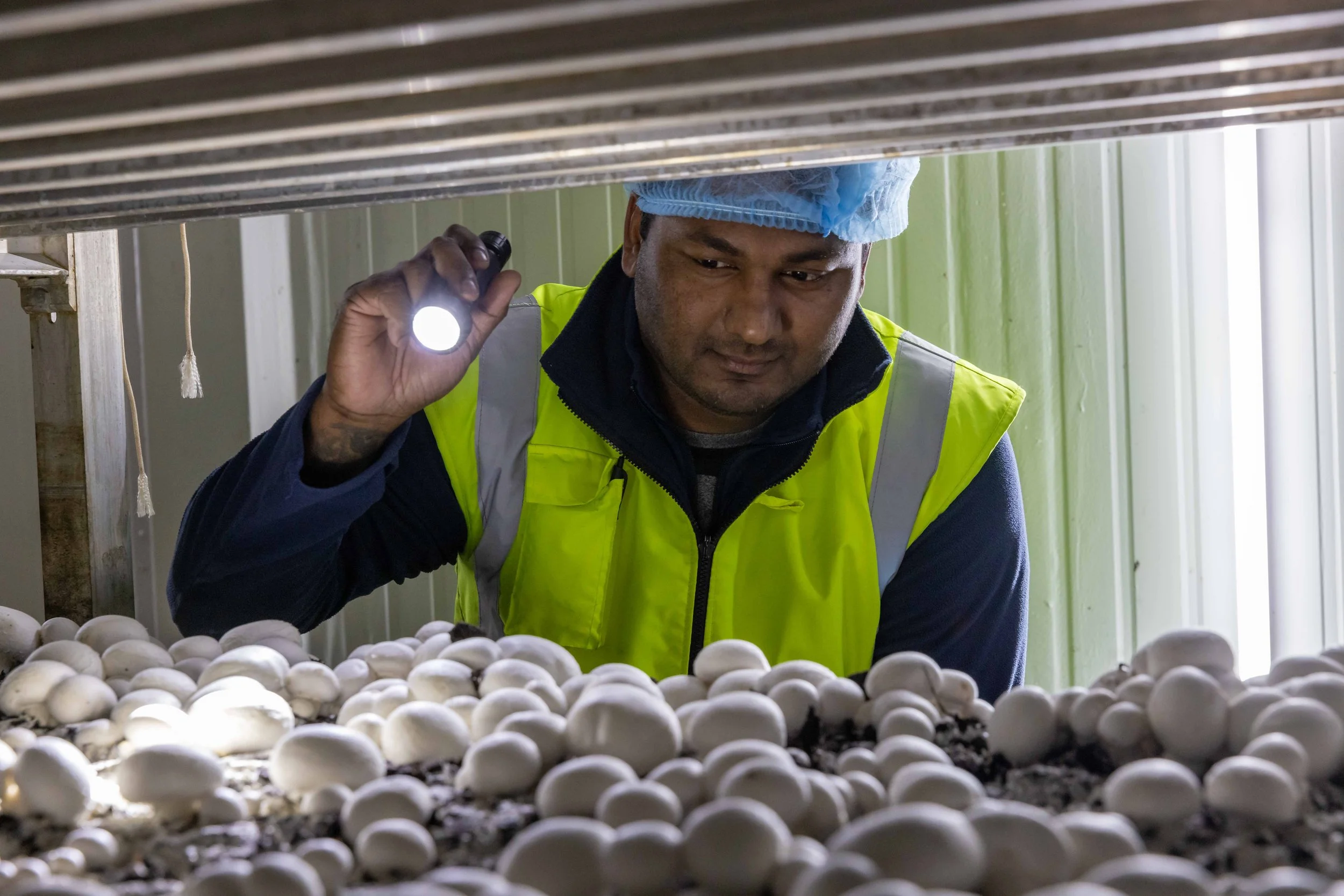

Part of NZ's landscape since 1970
The Meadow Mushrooms’ farm is based in Canterbury, where it first began some 50 years ago. Since then, it’s continued to grow - along with kiwis’ love for mushrooms. Continual investment and a genuine commitment to sustainable business practices has seen it flourish into the country’s largest fully integrated mushroom farm - complete with farm and pack house and serviced by a compost yard, both in nearby sites.
Being fully integrated means we can oversee the mushroom journey from start to finish - making sure we deliver the very best mushrooms, at the very best value, from our farm to your local store or restaurant daily.
From our farm to your table
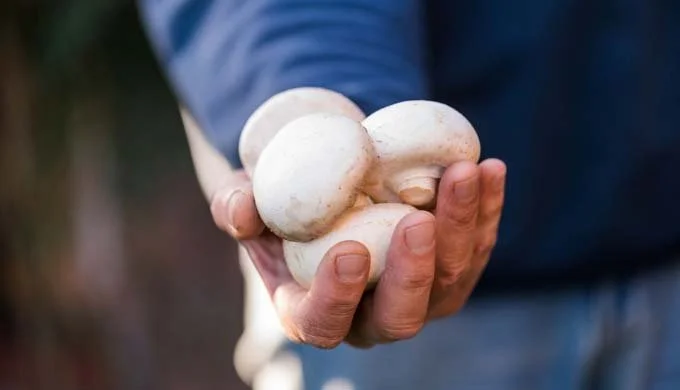
9 MILLION+
mushrooms hand-picked on our farm every week.
450
plus employees across 4 sites
16 DAYS
after the compost enters the growing room, the first mushrooms are ready to be picked.
We’ve turned
growing New Zealand’s best mushrooms
into a real craft.
Here’s how
it’s done…
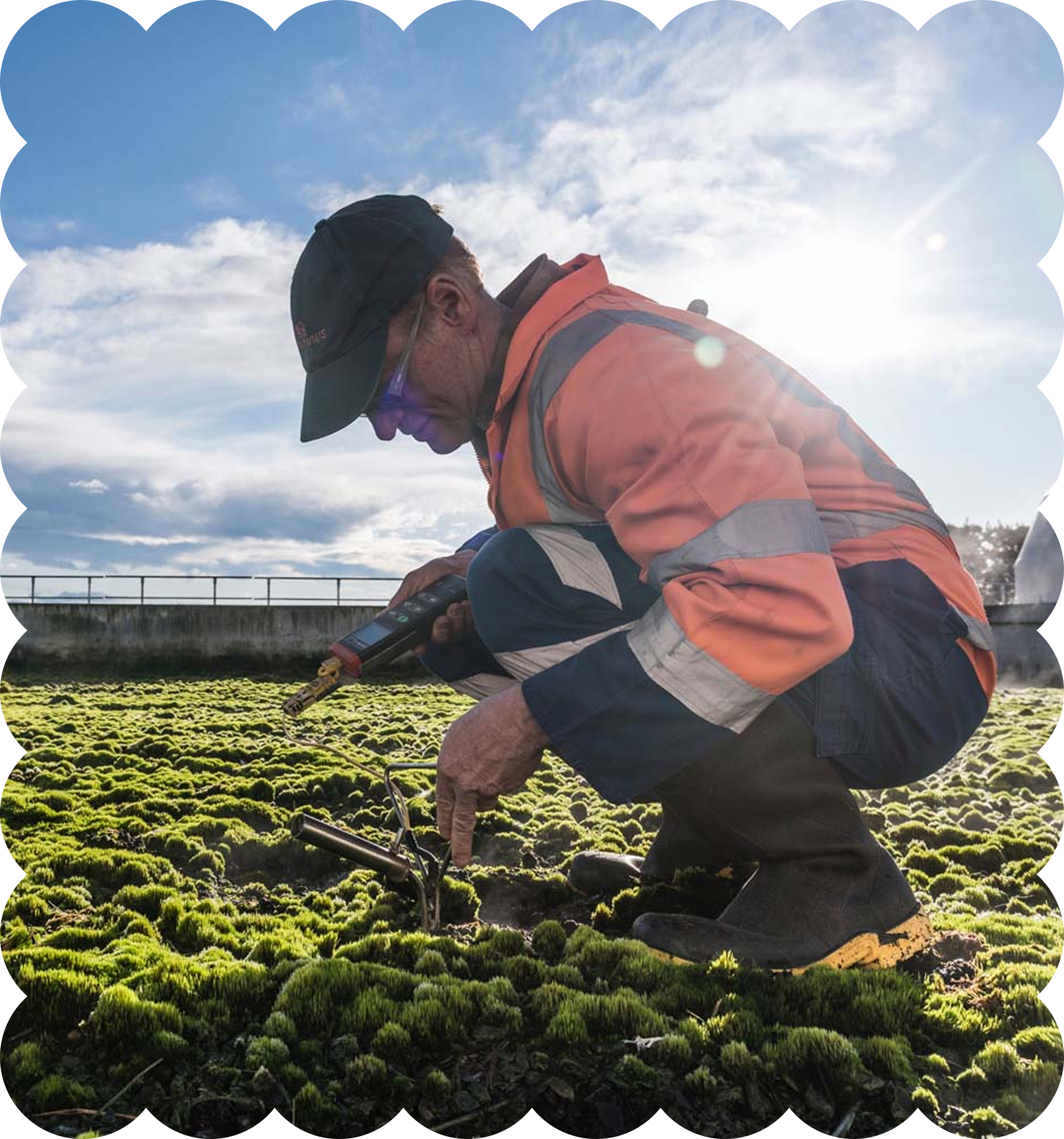
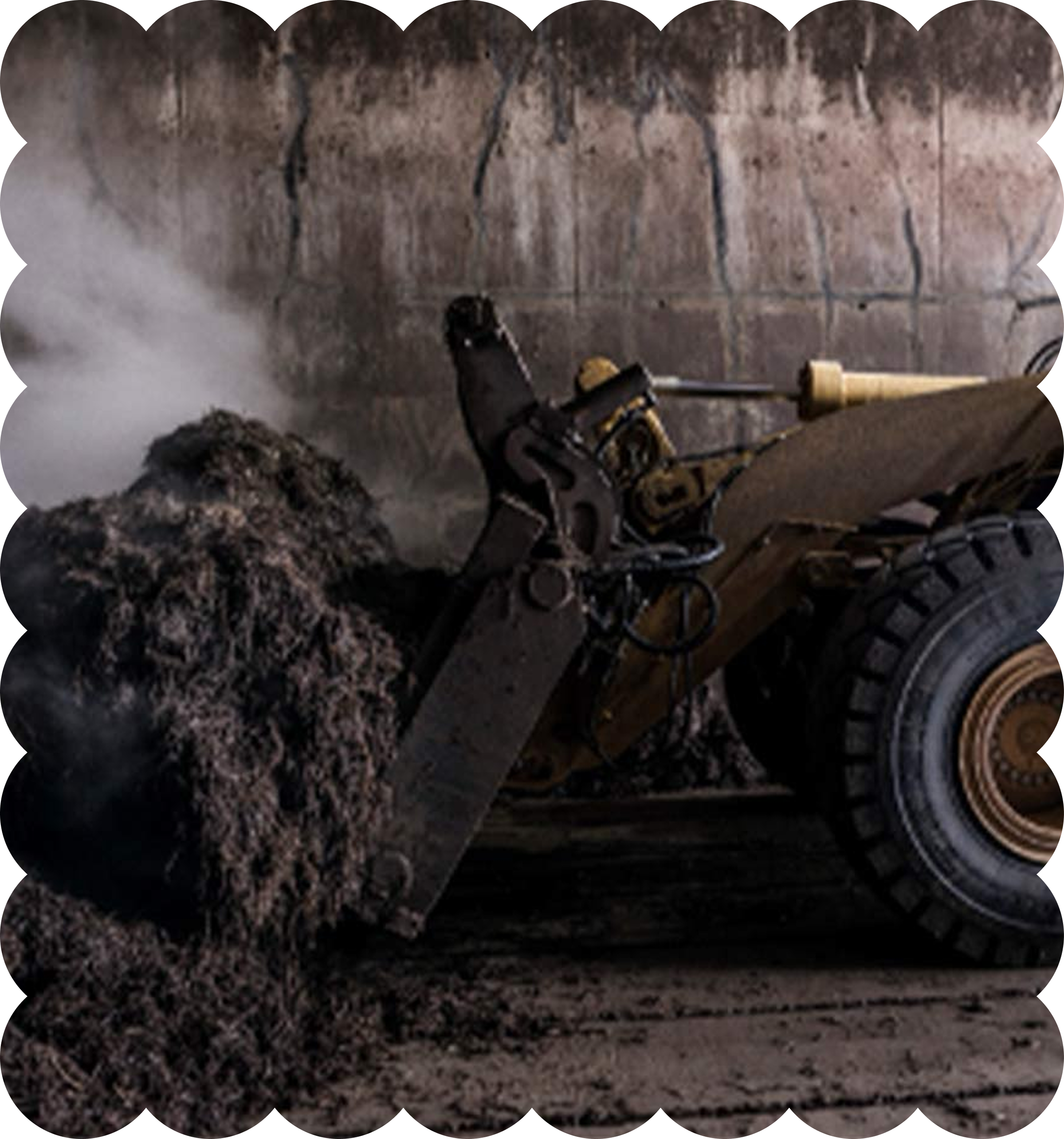
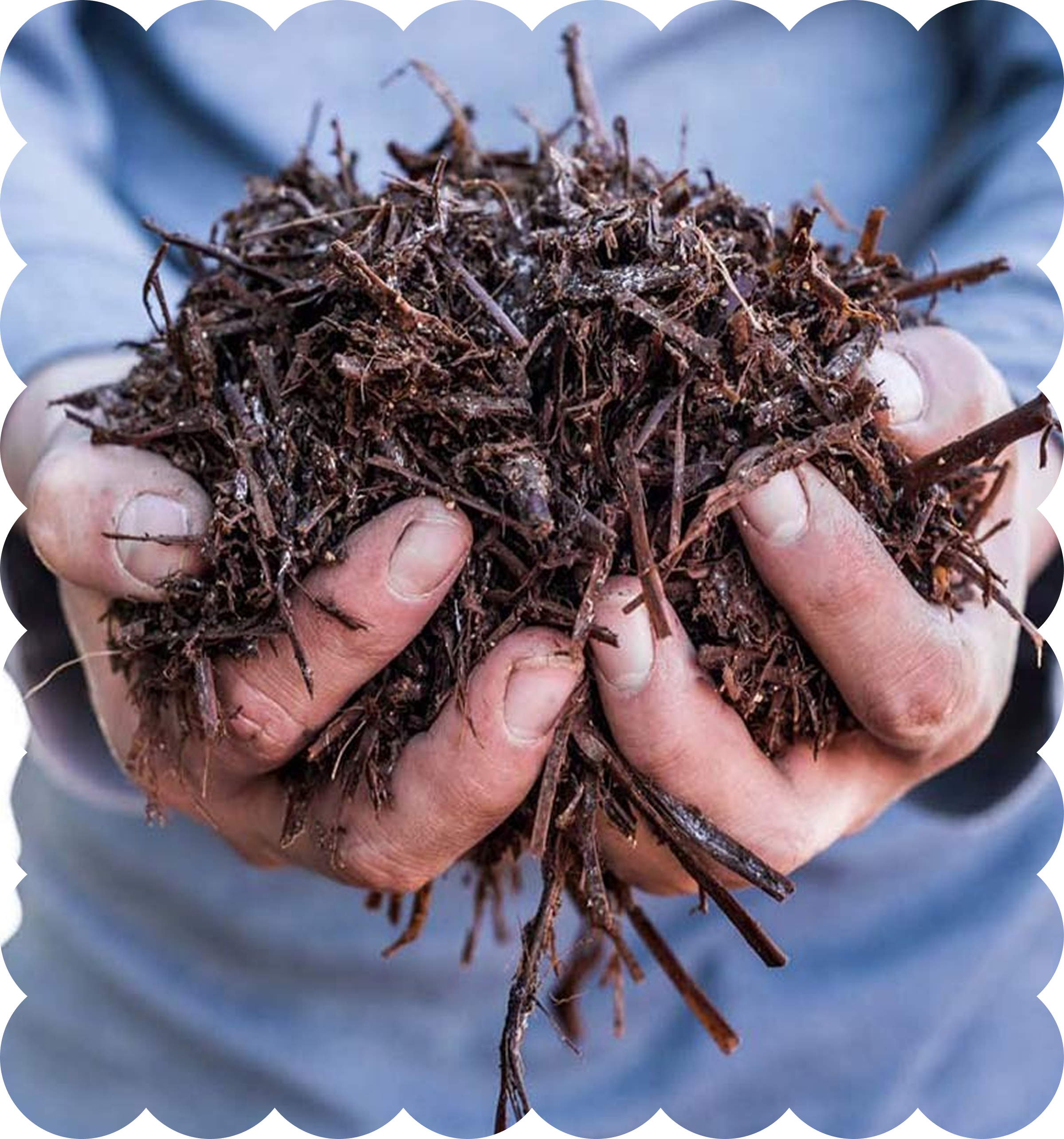
1. Raw Natural Compost
Compost is the ‘substrate’ in which our mushrooms grow. It’s made up of three basic raw materials - wheat straw, chicken manure and gypsum - and it’s where the mushrooms get all their essential goodness and nutrients. Preparing and mixing the compost takes about two weeks before it’s pasteurised.
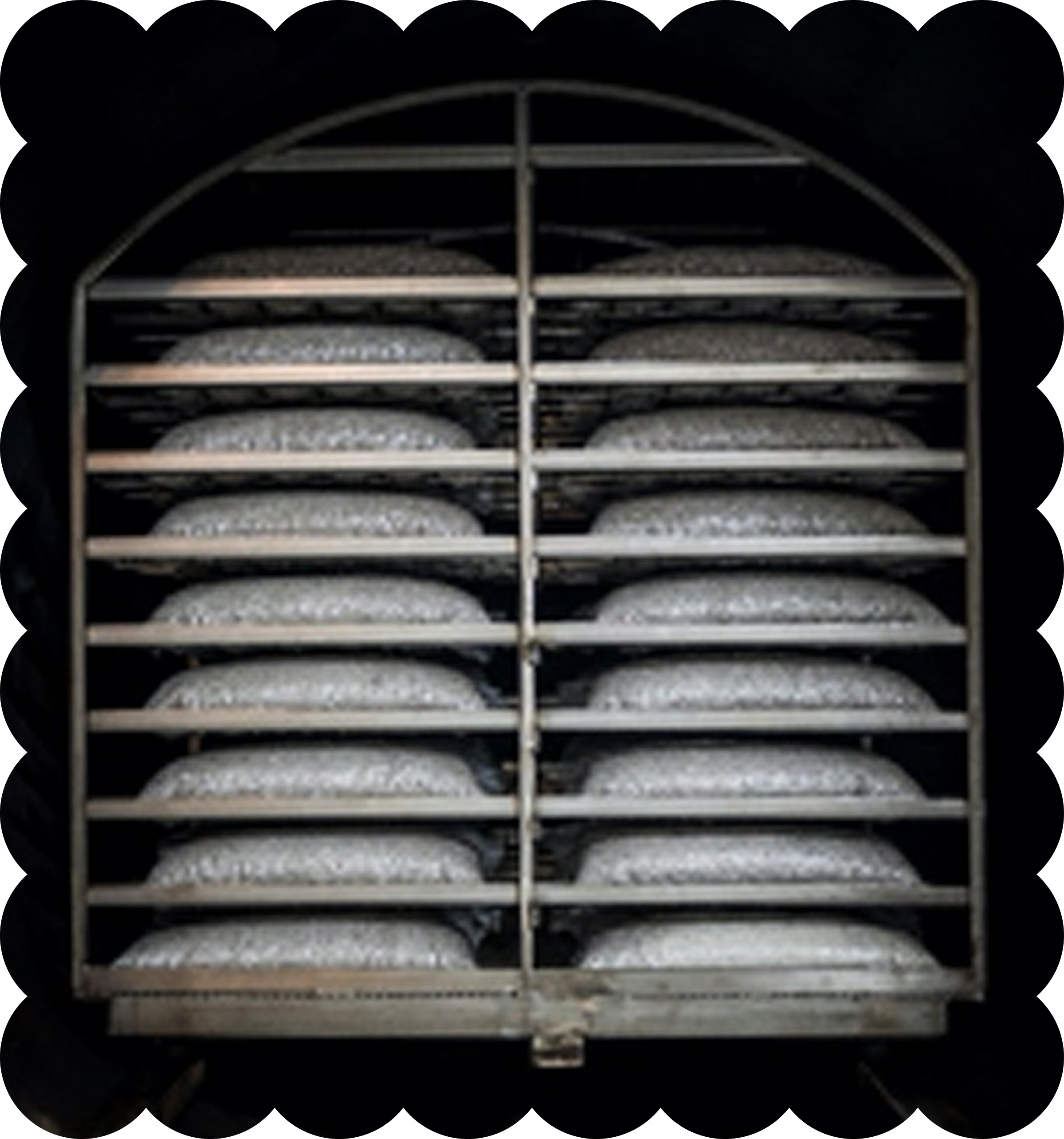
2. Spawning
Look for mushrooms that are firm to touch with a fairly even colour. Stems are a good indication of freshness, so check for strong, healthy ones. Mushrooms are extremely fragile and prone to bruising, so you may find some marks and blemishes. Don’t panic - this won’t affect the taste or quality of the mushroom.
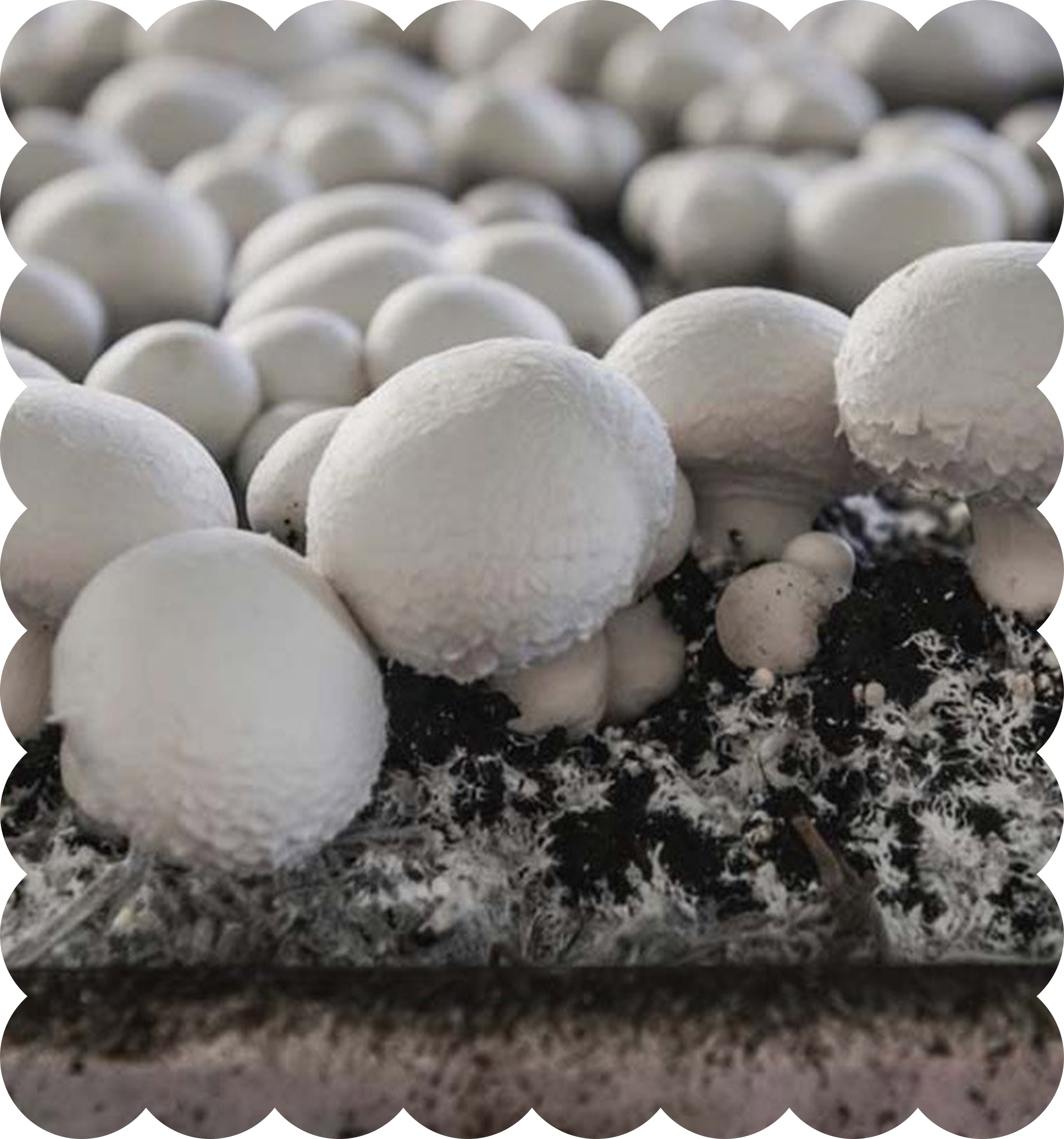
3. Casing & Growing
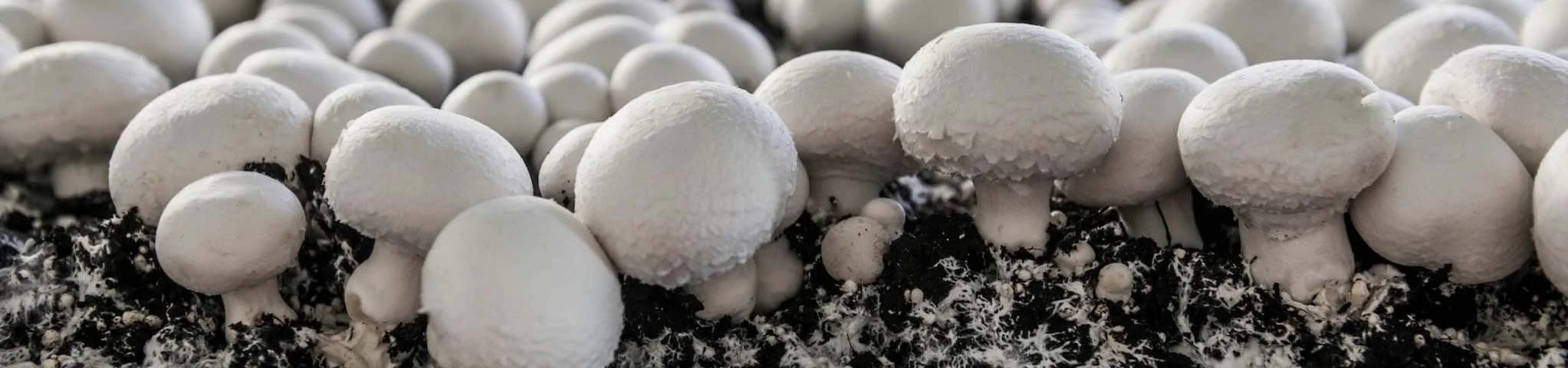
The fully colonised compost now has a 5cm thick layer of peat (mushroom casing) covering it. This performs two important functions; it has a ‘buffering’ effect that helps the compost not dry out during cropping, and it contains naturally occurring microbes that encourage the mycelium to fruit. Nurtured with water, temperature and humidity, the magic soon begins! Tiny mushrooms start appearing (this is called ‘pinning’), and just 16 days after the compost entered the growing room we can pick our first mushrooms.
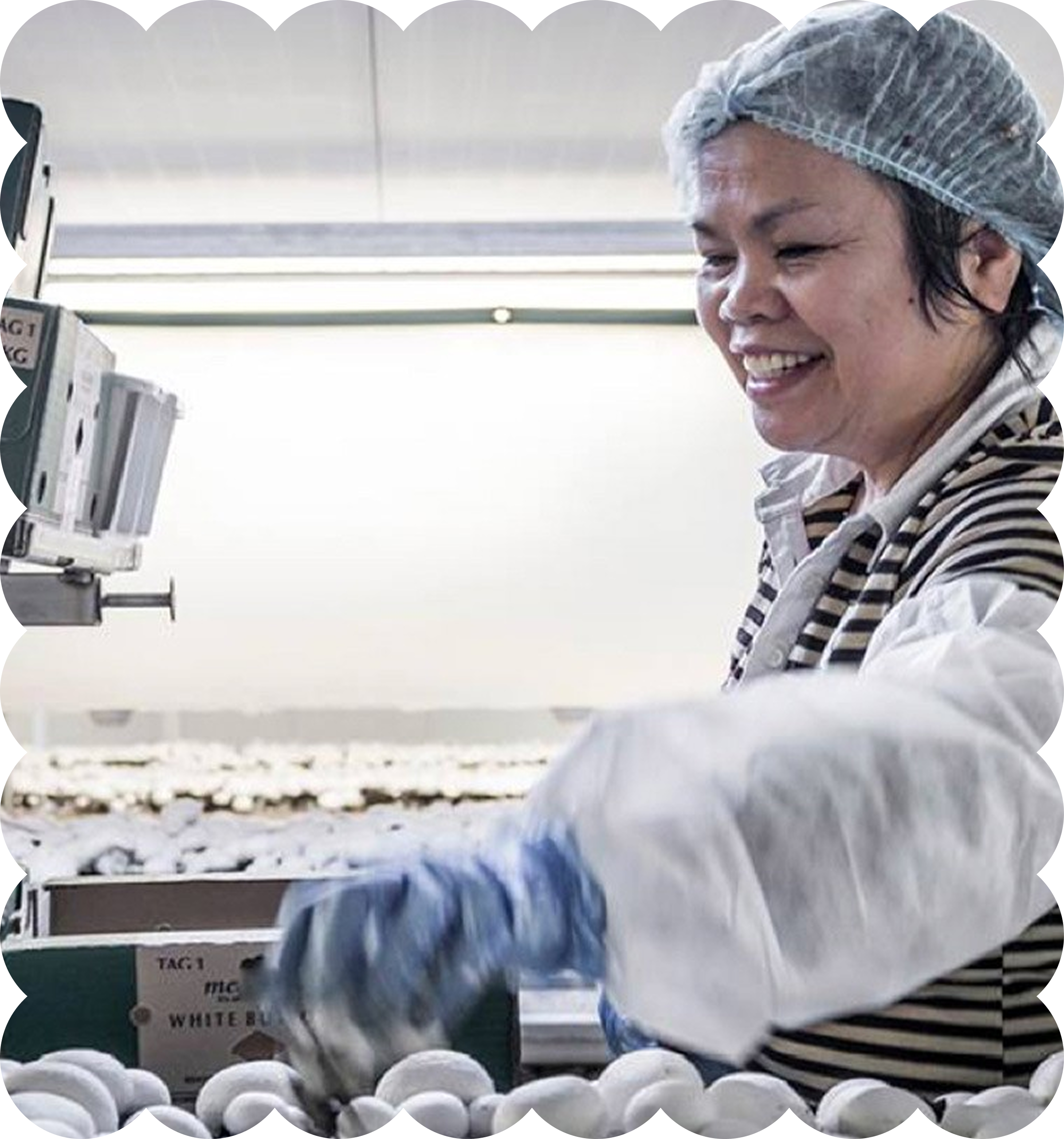
4. Hand-picked harvesting
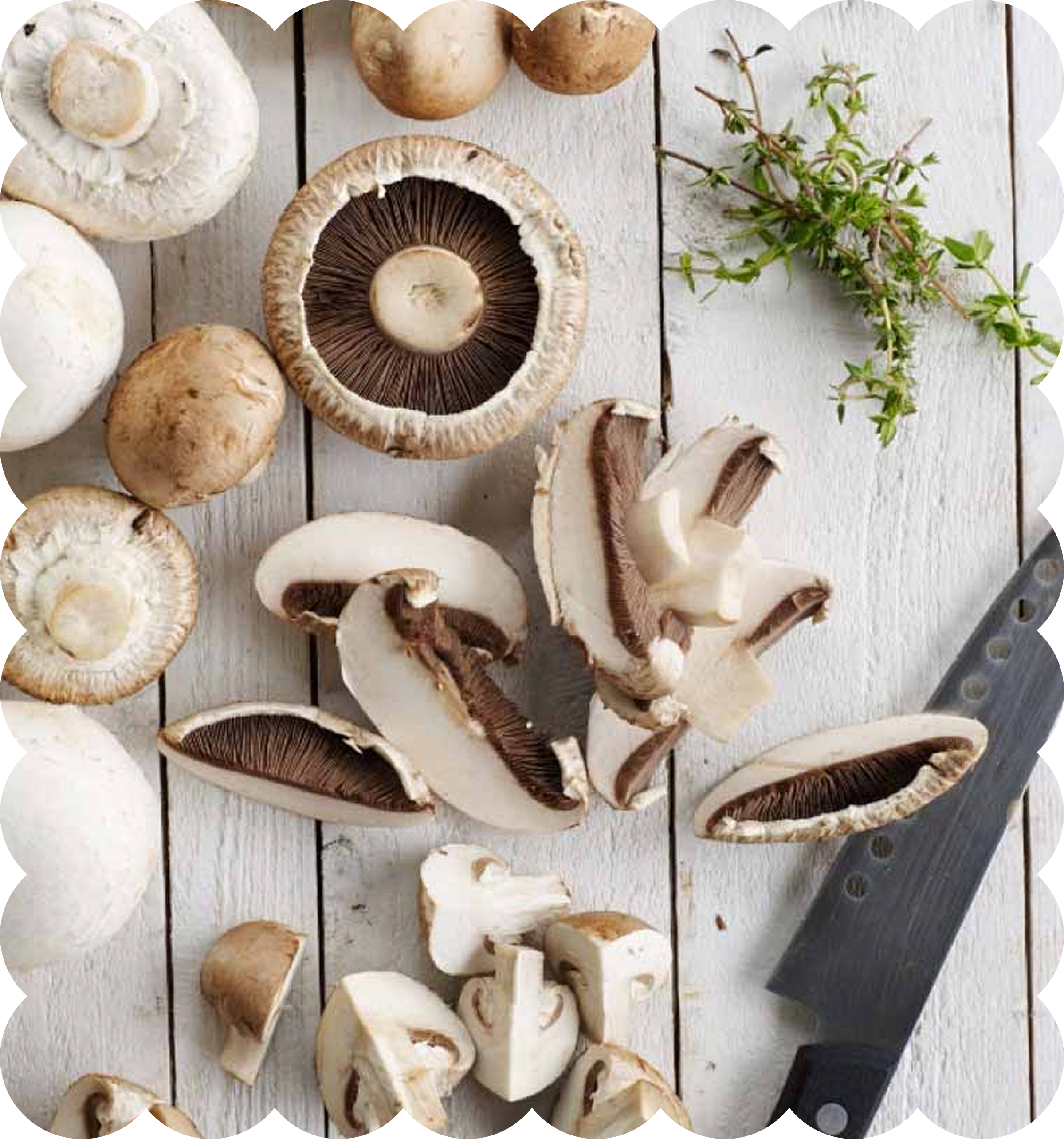
When the mushrooms reach the right size, our harvesters hand-pick them directly into the box or punnet. We grow three different types of mushrooms – White Buttons, Swiss Brown Buttons and Portobellos. Mushrooms double in size every 24 hours so they need to be picked at the right time, before they get too big.
5. ‘Spent’ Compost
Once all the mushrooms have been picked, the growing room is emptied before we refill it and start the process all over again. A typical large growing room can contain as much as 150 tonnes of compost and peat - or ‘spent compost’. Full of nutrients and organic goodness, it’s emptied out of the trays and shelves into trucks and used by farmers and gardeners as a fertiliser to help grow a variety of crops, which can sometimes end up as organic matter for our future compost. So nothing goes to waste and it helps create a circular eco-system.
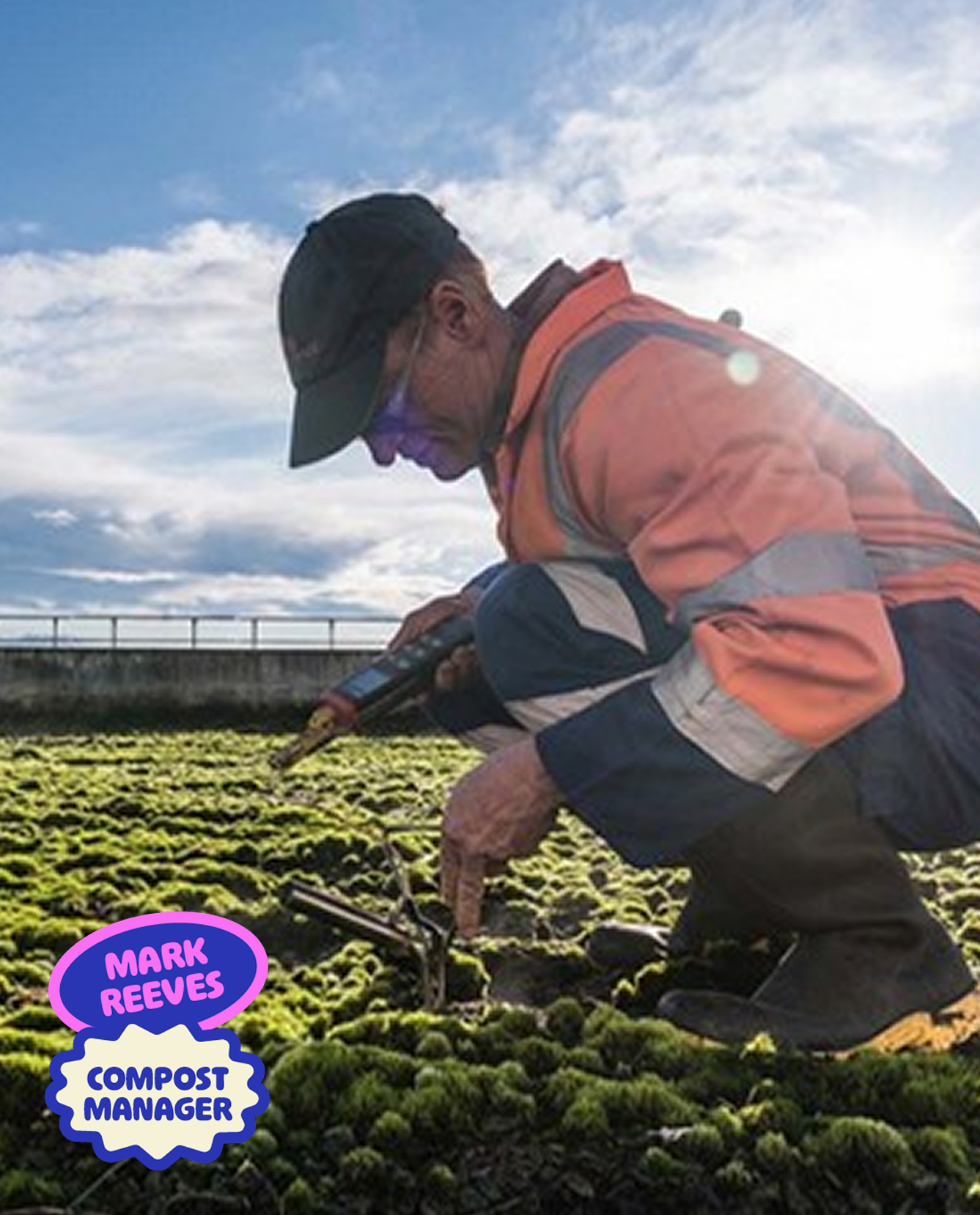
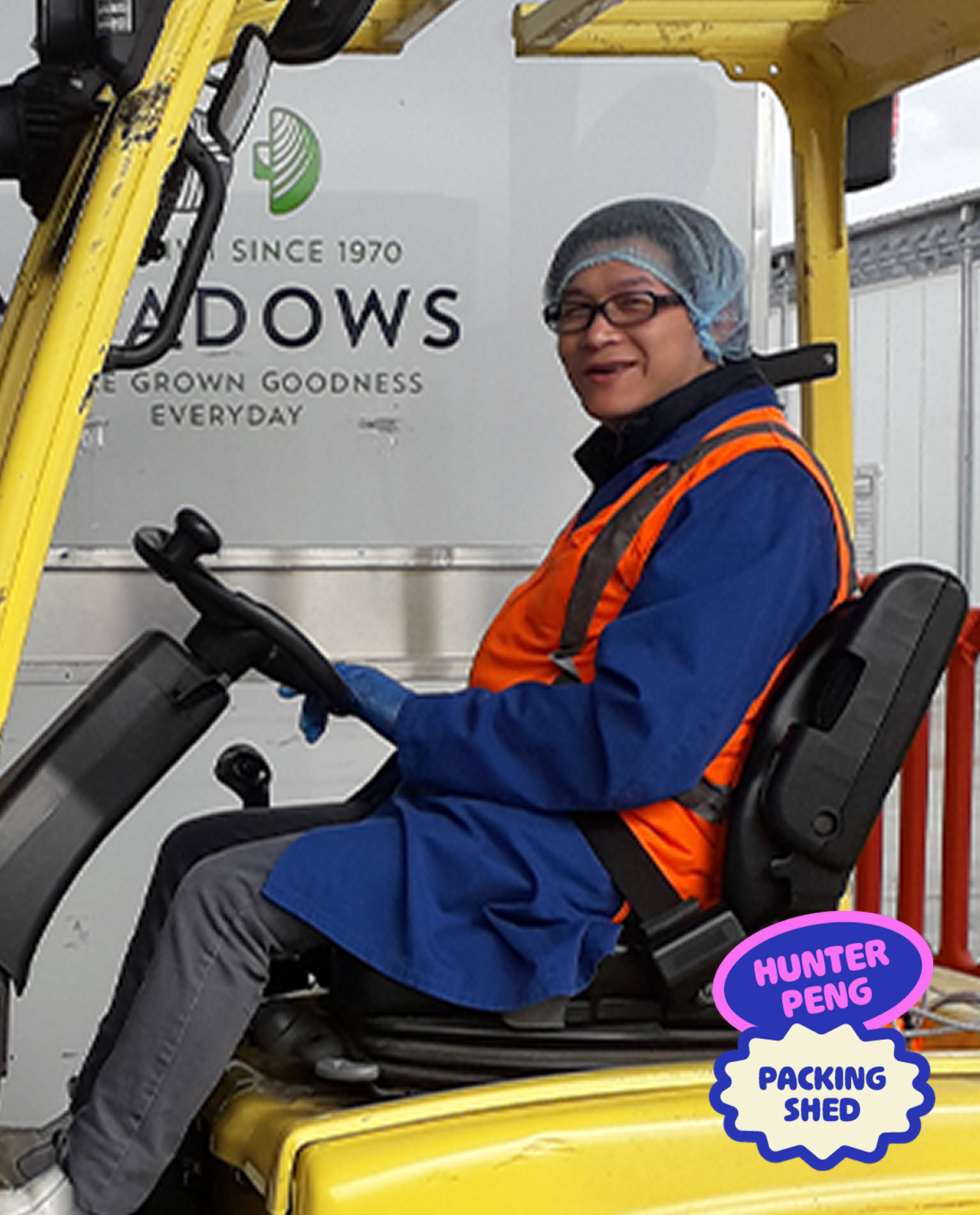
Meet the Farm Team

Find out about Food Safety on the farm
