

GROWING A BETTER NEW ZEALAND



THE AMBITION
We’re taking our responsibility to the planet one step further - pledging to become a carbon neutral business. Whilst this is a significant challenge, we’ll be using Science Aligned Targets, to reduce our carbon emissions wherever possible and are committed to achieving net zero by 2050.
Our carbon goal.
HOW WE’LL GET THERE
The road to carbon neutrality
We’ve been working on this for a while, measuring our carbon emissions and considering them in our business decisions. We’ve developed a long-term carbon reduction pathway that considers future changes and targets big wins on our journey to carbon neutrality. This helps us to reduce our emissions but also build carbon into key business decisions so that it is part of the fabric of the way we do business.
Our achievements and our next moves
THE STORY SO FAR
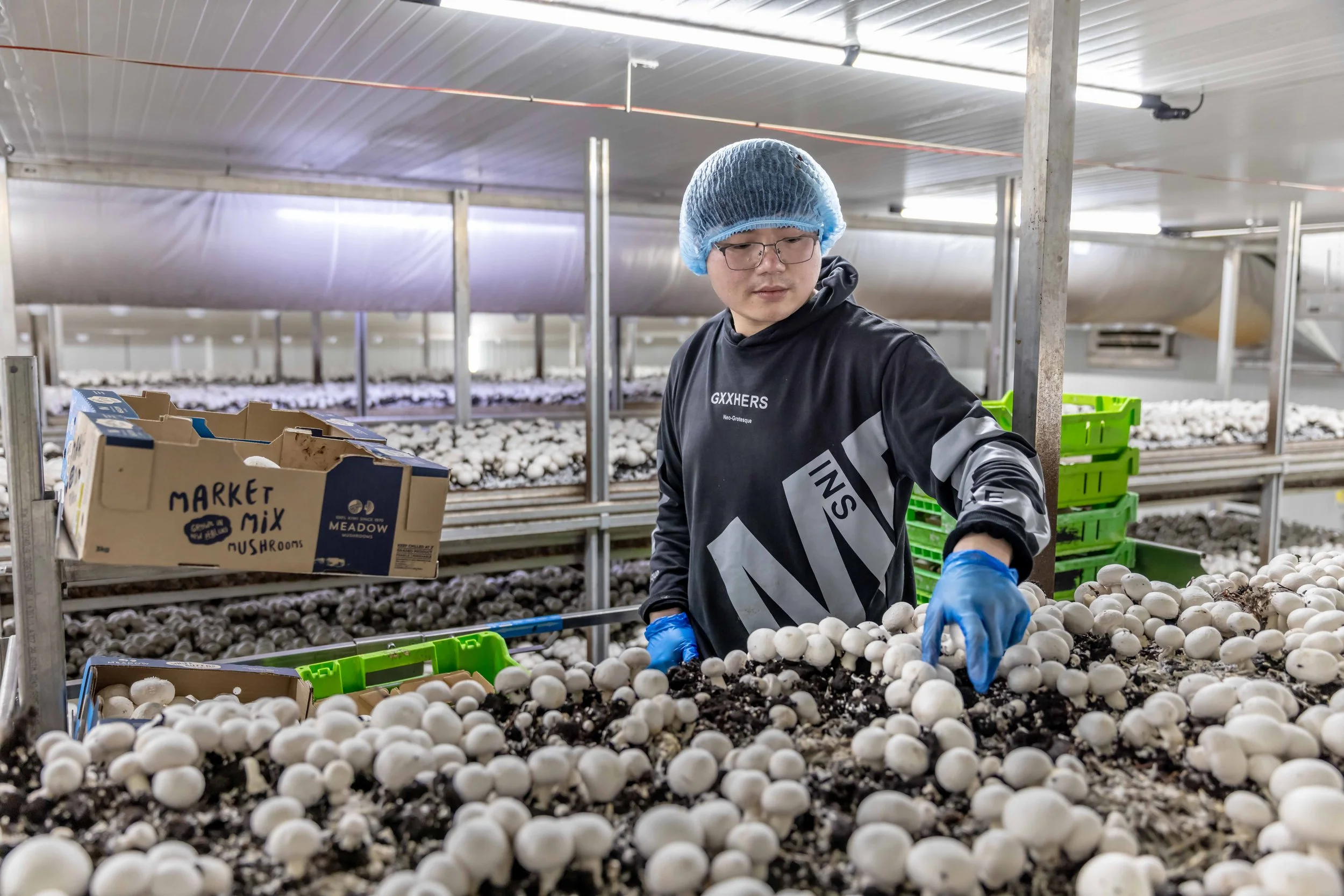
Using a mixture of energy efficiency projects, replacement of carbon intensive equipment and improvements in how we grow, we’ve managed to reduce our annual carbon emissions by over 2,000 tonnes of CO2e (carbon dioxide equivalent) per year, whilst still increasing the amount of food we produce.
Upgraded our growing technology.
Upgraded and retrofitted energy efficient parts and equipment - including steam equipment, fans and compressors.
Reduced energy losses through improved insulation and reduced leakage.
Switched to using more electric-powered vehicles
Continued to phase out old growing room lights, replacing them with more energy efficient LEDs
Eliminated the use of synthetic fertilizer in our compost making process
We have:
And we have more planned, in the next 12 months we will:
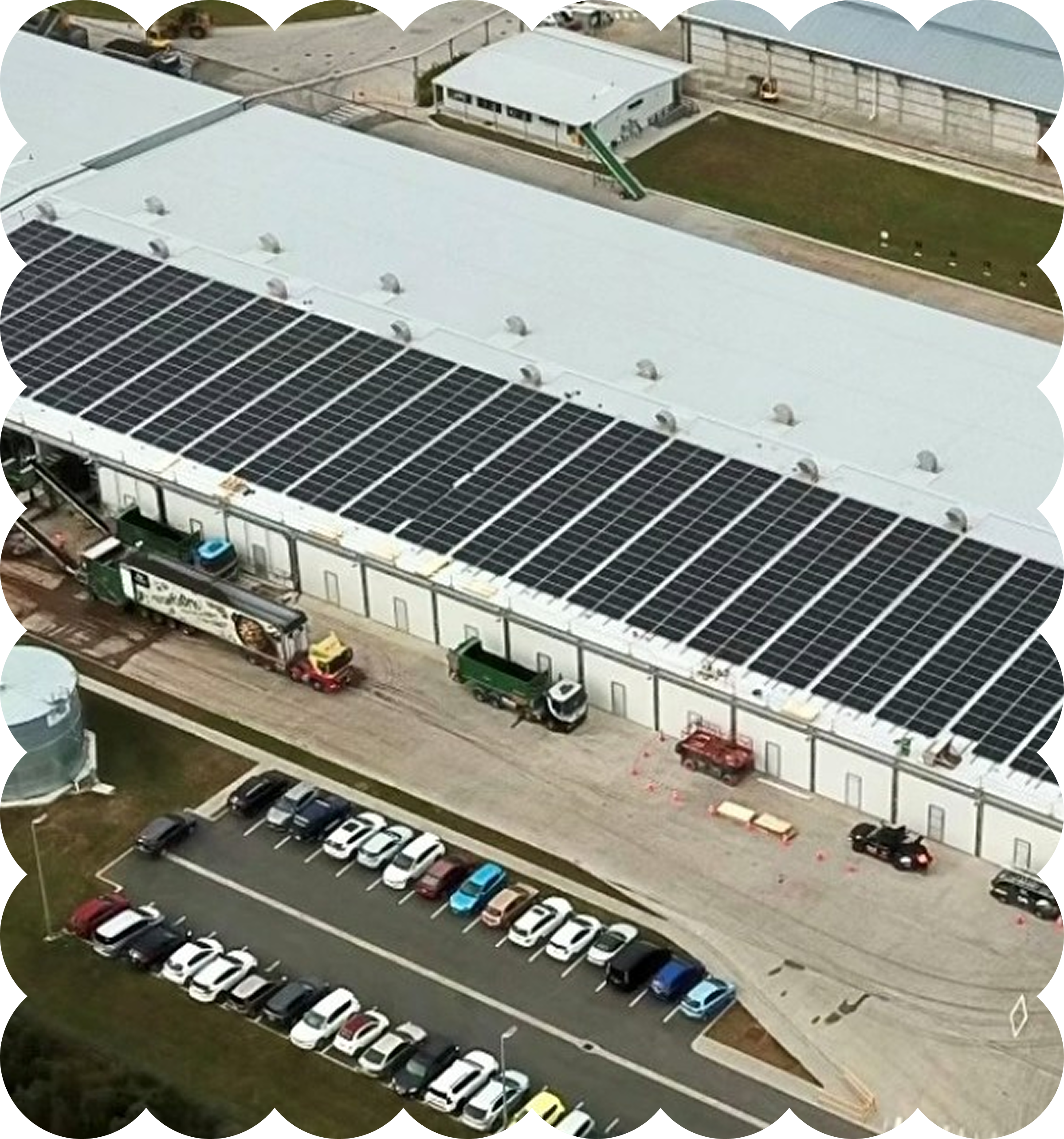
Install of our first solar PV array, to generate enough electricity to power half of all our mushroom growing rooms.
Replace existing refrigeration equipment with more energy efficient SMARDT chillers and heat pumps, that also use refrigerants that have a significantly lower impact on global warming (GWP rating)
Start trialling materials to replace peat in our growing process.
Implement specialised and targeted energy monitoring equipment to help us reduce energy use even further.
Develop a targeted plan to work with our suppliers to reduce Scope 3 emissions where possible.
Our biggest reduction so far though is the replacement of our diesel-fired boiler with a low carbon electric option. This investment in innovative technology significantly reduced our carbon emissions by an estimated 39,000 tonnes of CO2e over a 25-year lifespan. With this, our fossil fuel use will be reduced by over 60%.
